The Basic Structure of an On-Demand Driver Network
At the most practical level, an on-demand driver network connects people who need a ride with drivers who are available to provide one. The coordination happens digitally, but the work itself is physical and local. Cars move through real streets, and timing depends on traffic, weather, and human behavior.
How Ride Requests Are Created and Routed
A ride request generally originates from a starting place and a concluding point. The system begins to search a wide territory for drivers who are around and meet basic criteria such as having a car of proper type and are available. The distance is important, but even more important is the estimated time, which is dependent on the prevailing traffic and road conditions.
Next, the request is sent to one or more drivers, who might accept or not as per their will. If one driver declines or does not reply to the request within an allowable period, the system may blacklist the driver and passes on the work to another driver. This process will keep repeating until a successful match is found or the request times out.
The Role of Drivers in the Network
Drivers are not dispatched from a central depot. They choose when and where to work, often logging in during peak hours or in busy neighborhoods. Their decisions shape the network in real time.
Because drivers act independently, coverage can be uneven. Some areas attract many drivers, while others struggle to maintain availability. The system adjusts constantly, but it cannot fully control where people decide to drive.
Matching Systems and Real-Time Adjustments
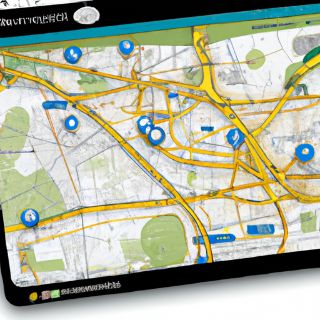
Once a driver accepts a request, the network shifts into a monitoring role. It tracks location updates, estimated arrival times, and route progress. These updates help manage expectations on both sides.
Dynamic Supply and Demand
Demand rises and falls throughout the day. Morning commutes, late-night travel, and special events create predictable spikes. Weather and local disruptions can cause sudden surges.
Supply depends on how many drivers are active at a given moment. When demand outpaces supply, wait times increase. When supply is high and demand is low, drivers may wait longer between trips. The balance is rarely stable for long.
Why Wait Times and Coverage Vary
Wait times are influenced by more than distance. Traffic congestion, driver response rates, and local demand all play a role. In dense urban areas, short distances can still take time during busy periods.
In less populated areas, fewer drivers may be available at all. Even if roads are clear, the nearest driver might be several miles away. These differences explain why the same request can feel fast one day and slow the next.
Payments, Pricing, and Incentives
Pricing in on-demand driver networks is designed to reflect real-time conditions. Instead of fixed fares, costs adjust based on distance, duration, and local demand. This approach aims to encourage enough drivers to be available when they are needed.
How Fares Are Calculated
Fares are generally built through a mix of factors. Distance and time both mean quite a bit, though other factors are taken into account in a situation where demand is booming.
These calculations are made automatically. The planning of cost is expected to take the effort and time involved into account rather than adding some flat rate irrespective of the road conditions.
Driver Earnings and Work Patterns
Drivers earn per completed trip, minus fees and operating costs. Earnings can vary widely depending on location, timing, and driving habits.
Many drivers adjust their schedules based on experience. Some focus on specific times of day, while others avoid periods known for congestion or low demand. Over time, informal patterns emerge that influence how the network behaves.
Safety, Identity, and Accountability

Safety is a shared concern for riders, drivers, and regulators. On-demand networks rely on identity verification, trip tracking, and reporting systems to manage risk. These tools aim to create accountability without direct supervision.
Both drivers and riders are typically required to provide identifying information before participating. Trips are logged with timestamps, routes, and location data.
After a trip, participants may submit feedback or report problems. These reports feed into internal review processes that can lead to warnings, suspensions, or removal from the network.
Regulation and Local Oversight

On-demand driver networks operate within local legal frameworks. Rules vary by city and region, covering areas such as licensing, insurance, and data handling. These requirements shape how networks are designed and operated.
Transportation needs and risks are local. A dense city faces different challenges than a rural area. Regulations reflect these differences, addressing congestion, safety, and labor concerns.
Local authorities may adjust rules over time as usage patterns become clearer. This ongoing process affects how networks evolve.
A System Built on Movement and Choice
The on-demand driver networks adapt by the second. Unlike fixed schedules or routes, they rely on that individual choice, significant data, and local conditions that they can adapt to. This makes the system adaptive but unequal.
That description should set one's expectations in a normal and proper way. Each ride is a snapshot in an overall system that is continuously changing: shaped by human activities, the zeitgeist, and events rather than by guarantees.